
Understanding Forced Reset Triggers
What is a Forced Reset Trigger?
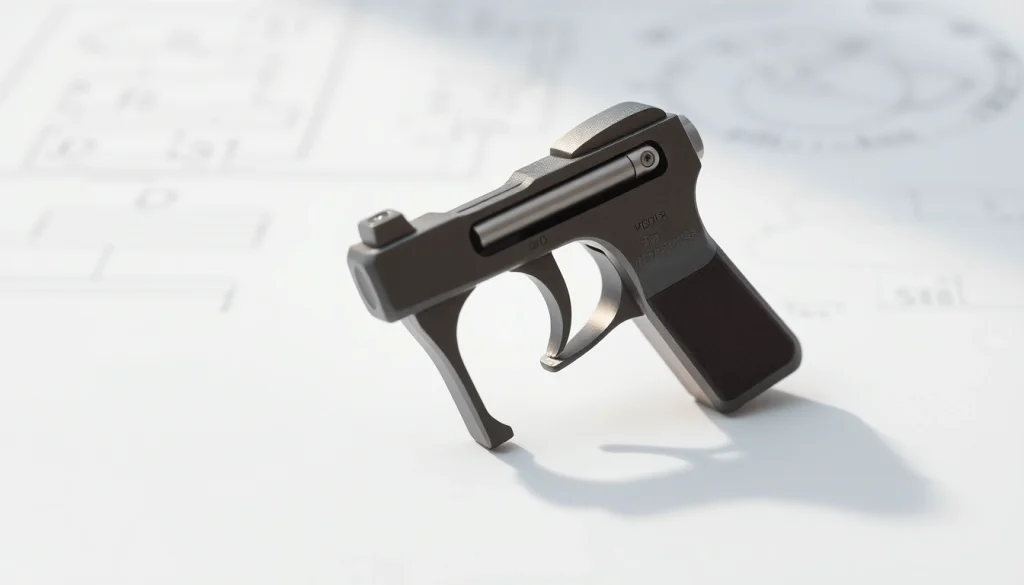
A forced reset trigger (FRT) is a specialized firearm trigger mechanism designed to enhance the shooter’s rate of fire by automatically resetting after each shot is fired. Unlike traditional triggers, which require the shooter to release and pull the trigger for each shot, an FRT allows subsequent shots to be fired with a simple forward motion of the trigger. This innovation affords a significant increase in the firing rate without needing to modify the firearm extensively.
How Does It Work?
The operation of a forced reset trigger relies on a unique mechanism that facilitates rapid firing sequences. When the shooter pulls the trigger to fire a round, the design of the trigger allows it to reset automatically as the shooter releases their finger. This means that as long as the trigger is pushed forward, it will continue to fire rounds. This characteristic mimics the effect of full-auto firing while remaining compliant with legal regulations governing semi-automatic firearms.
Benefits of Using Forced Reset Triggers
There are several advantages to utilizing forced reset triggers.
- Increased Rate of Fire: FRTs allow for faster shooting, making them appealing for competitive shooters and enthusiasts needing quick follow-up shots.
- Enhanced Control: With proper training, shooters can maintain better control of their rifles, allowing for rapid and accurate shots.
- Improved Target Acquisition: The reduced time between shots allows for quicker target reacquisition, making it especially beneficial in high-stress situations.
- Legal Compliance: Unlike fully automatic weapons, forced reset triggers operate within the bounds of the law, making them a legal alternative in many areas.
Buying Guide for Forced Reset Triggers
What to Look for in a Forced Reset Trigger for Sale
When searching for a forced reset trigger for sale, it’s crucial to consider various factors to ensure quality and functionality. Look for the following features:
- Build Quality: A well-constructed trigger is paramount. Look for FRTs made from high-quality materials, such as steel or aircraft-grade aluminum.
- Compatibility: Ensure that the FRT you choose is compatible with your specific firearm model. Some triggers are designed for specific platforms or require modifications.
- Adjustability: Some triggers offer adjustable pull weights and other features that enhance user experience and customization.
- Reputation: Research the manufacturer’s reputation. Reviews and user feedback can provide invaluable insights into the reliability and performance of the trigger.
Common Mistakes to Avoid When Buying
The purchase of a forced reset trigger should be approached carefully. Here are common pitfalls to avoid:
- Ignoring Compatibility: Always confirm that the trigger is suitable for your specific firearm. Buying an incompatible trigger can lead to poor performance.
- Overlooking Reviews: Bypassing user feedback can result in choosing a subpar product. Always read reviews to gain insights from other users’ experiences.
- Focusing on Price Alone: While budget is important, opting for the cheapest option often sacrifices quality. Balance your budget with quality considerations.
Best Practices for Evaluating Quality
To evaluate the quality of forced reset triggers, consider these best practices:
- Research the Manufacturer: Investigate the company’s history, reputation, and other products they offer.
- Request User Feedback: Seek out forums or communities of firearm enthusiasts to gather additional opinions and experiences.
- Inspect Physically: If possible, examine the trigger in person to assess the materials and construction quality.
Installation and Maintenance Tips
Step-by-Step Installation Guide
Installing a forced reset trigger requires attention to detail to ensure proper functioning. Follow these steps:
- Gather Tools: You will need appropriate tools such as a punch tool, hammer, and a screwdriver.
- Unload Your Firearm: Ensure that your firearm is empty and safe before beginning any installation process.
- Remove the Old Trigger: Use the punch tool to carefully remove the pins holding the existing trigger in place.
- Install the New Trigger: Position the forced reset trigger into the trigger assembly, ensuring you align it correctly.
- Reassemble the Firearm: Once installed, reassemble your firearm and conduct a function check to verify proper operation.
Routine Maintenance for Longevity
Maintenance is crucial for ensuring the longevity and performance of your forced reset trigger. Consider these practices:
- Regular Cleaning: Clean the trigger assembly periodically to remove dirt and debris that could affect function.
- Inspect for Wear: Periodically inspect the trigger for signs of wear or damage, addressing any issues immediately.
- Lubricate Moving Parts: Use appropriate lubricants to maintain smooth operation and prevent rust or corrosion.
Troubleshooting Common Issues
Should you encounter issues with your forced reset trigger, consider these troubleshooting tips:
- Trigger Fails to Reset: This may indicate improper installation. Disassemble and recheck the installation process.
- Inconsistent Performance: Ensure the trigger is clean and lubricated; dirt or lack of lubrication can affect functionality.
- Malfunctioning with Ammunition: Verify that you are using appropriate and reliable ammunition. Occasionally, ammo quality can influence performance.
Legal Considerations and Compliance
Understanding the Legal Status of Forced Reset Triggers
The legal status of forced reset triggers can vary widely from one jurisdiction to another. Generally, forced reset triggers are viewed as legal under federal law as they fall within the specifications of semi-automatic functions. However, state laws may impose additional restrictions or outright bans, necessitating that buyers stay informed about their local laws.
State-Specific Regulations
Before acquiring a forced reset trigger, it is essential to familiarize yourself with state regulations that may impact ownership. Certain states have enacted laws that specifically address the legality of enhanced trigger systems. Be sure to check with local authorities and legal experts to avoid unintentional violations.
Advice for Buyers on Legal Compliance
When purchasing a forced reset trigger, buyers should follow these guidelines to ensure legal compliance:
- Research Local Laws: Stay updated about any changes in the law that may affect forced reset trigger regulations.
- Consult Legal Experts: When in doubt, seek advice from legal professionals specializing in firearm laws.
- Keep Documentation Handy: Maintain purchase receipts and any relevant documentation to demonstrate legal ownership.
Frequently Asked Questions
What is the average price of a forced reset trigger for sale?
The average price of a forced reset trigger typically ranges from $200 to $700, depending on brand, features, and materials used.
Are forced reset triggers legal everywhere?
No, the legality of forced reset triggers varies by state and municipality. Always check local laws before purchasing.
How does a forced reset trigger affect accuracy?
A forced reset trigger can enhance rapid follow-up shot accuracy, but mastery of control and technique is essential for optimal results.
Can I install a forced reset trigger on my existing firearm?
Yes, many forced reset triggers are designed for popular firearm models but always check compatibility before installation.
What is the difference between forced reset triggers and others?
Unlike traditional triggers requiring a full release for reset, forced reset triggers allow for rapid firing without fully releasing the trigger.