The Basics of Electric Chain Hoist Cranes
In the realm of industrial lifting equipment, electric chain hoist cranes play a pivotal role. Their design and functionality cater specifically to the need for efficient, safe, and reliable lifting solutions. These systems are essential in various sectors, including manufacturing, construction, and logistics, where heavy loads need to be moved quickly and efficiently. When exploring options, an electric chain hoist crane provides comprehensive insights into modern lifting technology.
What is an Electric Chain Hoist Crane?
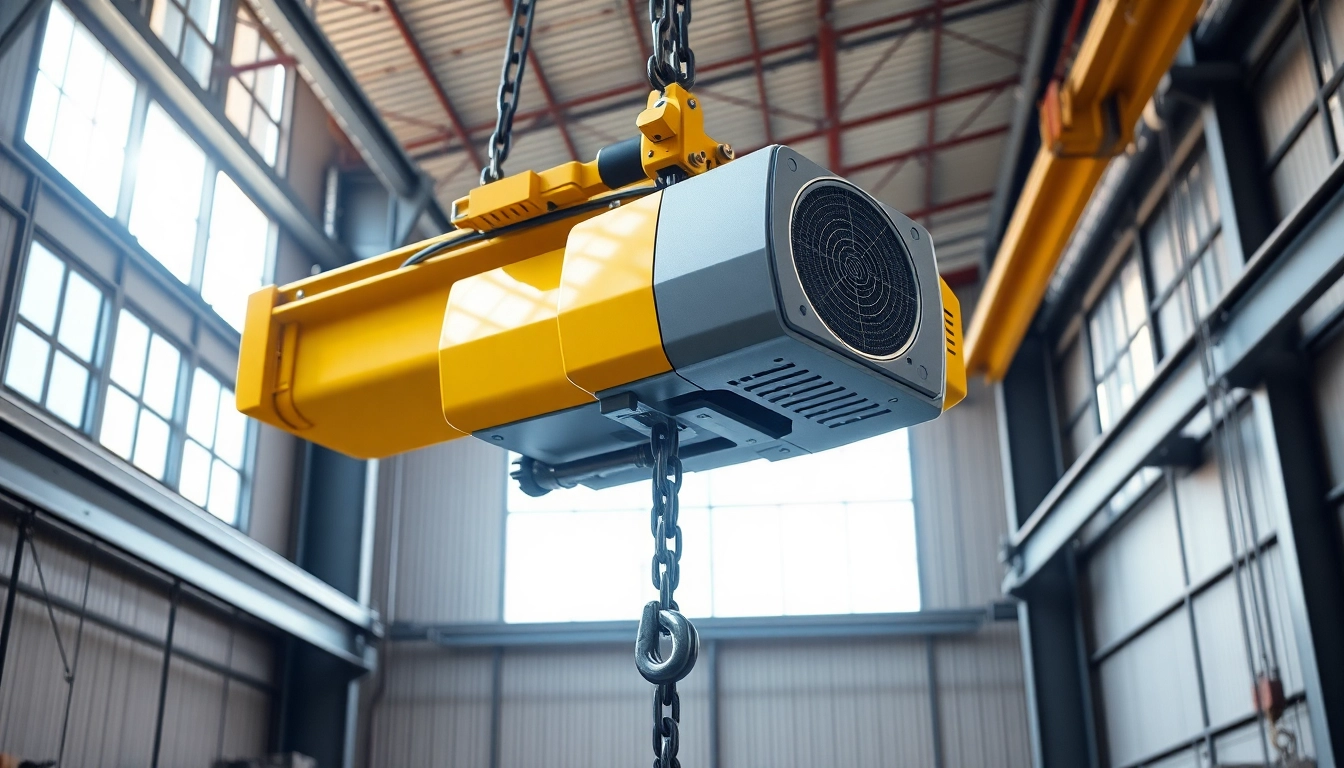
An electric chain hoist crane is a motorized device that utilizes a chain to lift and lower loads. Unlike manual hoists, which require physical effort to operate, electric chain hoists employ electric motors that automate the lifting process, significantly reducing the physical strain on operators. These hoists are typically mounted on beams or tracks, allowing for seamless vertical movement, and they come in variable capacities tailored to meet specific lifting needs.
Key Components of Electric Chain Hoists
- Motor: The heart of the hoist, providing the necessary power to lift heavy loads.
- Chain: A crucial element that transports the load vertically. The chain is designed for strength and durability.
- Control System: This includes the switches and remote controls that allow operators to maneuver the hoist safely and accurately.
- Hook: The hook secures the load and is engineered to withstand significant strain without compromising safety.
- Frame: The structural component that supports the motor and the hoisting mechanism, designed to withstand the stresses of heavy lifting.
Understanding Lifting Capacities and Specifications
When selecting an electric chain hoist crane, it’s vital to understand its lifting capacity, which dictates how much weight the hoist can safely lift. Electric chain hoists come in various capacities, from lightweight models for small tasks to industrial-grade hoists capable of lifting several tons. It’s crucial to match the hoist's specifications with the intended application to ensure safety and efficiency during operation. Additionally, factors like lift height, speed, and power supply must also be considered to optimize performance.
Benefits of Electric Chain Hoist Cranes
Increased Efficiency in Industrial Lifting
One of the most significant advantages of electric chain hoist cranes is their efficiency. These machines can lift heavy loads in a fraction of the time it would take to do so manually. This increased productivity translates into better workflow within manufacturing and construction sites, allowing teams to complete tasks faster and meet tight deadlines. Furthermore, the automation inherent in these systems minimizes downtime and maximizes operational output.
Enhanced Safety Features Compared to Manual Hoists
Safety is paramount in any industrial environment. Electric chain hoist cranes are equipped with numerous safety features that surpass those found in manual systems. These may include overload protection, emergency stop buttons, and limit switches that prevent the hoist from exceeding its safe operational parameters. The automated nature of electric hoists also reduces the potential for human error, thus enhancing overall workplace safety.
Cost-Effectiveness Over Time
While the initial investment in electric chain hoist cranes may be higher compared to manual alternatives, they prove to be cost-effective in the long run. The efficiency and reduced labor costs associated with electric hoists can lead to significant savings over time. Additionally, many modern hoists are designed for low maintenance, further decreasing operational costs.
Choosing the Right Electric Chain Hoist Crane
Evaluating Load Requirements and Usage Frequency
When selecting an electric chain hoist, it is essential to evaluate your specific lifting requirements thoroughly. Understanding the maximum weight and frequency of use will help determine the appropriate model. For example, a facility that frequently handles heavy loads may require a more robust hoist with advanced features, whereas a smaller workshop might be able to utilize a lighter model.
Understanding Power Supply Options
Electric chain hoists come in various power configurations, including single-phase and three-phase options. It’s crucial to choose a hoist that matches the available power supply in your facility. Single-phase hoists are typically suitable for lighter loads and are easier to integrate into existing electrical systems, while three-phase hoists provide more power for heavier applications.
Key Brands and Models to Consider for 2025
As you begin your search for the ideal electric chain hoist crane in 2025, several reputable brands stand out in the market. Companies like Harrington, Coffing, and CM offer reliable models known for their durability and performance. Additionally, it's beneficial to consider models that incorporate new technologies, such as smart controls and energy-efficient motors, to stay ahead of industry trends.
Installation and Maintenance Best Practices
Step-by-Step Installation of Electric Chain Hoist Cranes
Proper installation is critical for the safe and efficient operation of electric chain hoist cranes. Begin by selecting a suitable location that can support the weight of the hoist and the loads it will handle. Ensure that the suspension mechanism is securely installed, and the hoist is aligned with the lifting path. Follow the manufacturer's instructions meticulously to guarantee a safe setup.
Regular Maintenance Tips to Extend Lifespan
Regular maintenance is essential for extending the lifespan of electric chain hoists. Operators should conduct routine inspections to check for wear and tear on the chains, hooks, and motor components. Lubricating moving parts, testing safety features, and keeping the hoist clean are also vital tasks that help prevent malfunctions. Establishing a maintenance schedule can ensure reliability and safety.
Identifying and Troubleshooting Common Issues
Even with regular maintenance, issues may arise with electric chain hoists. Common problems include unusual noises, failure to lift loads, or erratic movements. Troubleshooting these issues often requires a systematic approach, starting with checking power supply connections, inspecting the control system, and examining the motor for signs of wear. Understanding these potential challenges can help operators respond quickly and effectively.
Future Trends in Electric Chain Hoist Crane Technology
Smart Hoisting Solutions: IoT and Automation Integration
The future of electric chain hoist cranes is increasingly leaning toward automation and smart technology. Integrating Internet of Things (IoT) capabilities allows for remote monitoring and control, enabling operators to track performance metrics and receive alerts for maintenance needs. These advancements not only enhance operational efficiency but also improve safety by reducing the need for operators to be on-site during lifting operations.
Environmental Considerations and Energy Efficiency
As businesses become more environmentally conscious, the demand for energy-efficient electric chain hoists is on the rise. Manufacturers are focusing on creating models that consume less power while maintaining high performance. Innovations such as regenerative braking systems can convert energy into usable power, thus reducing overall energy consumption and operational costs.
Predictions for the Electric Hoist Market in 2025
Looking ahead to 2025, the electric hoist market is expected to experience substantial growth driven by advances in technology and rising demand from various sectors. Innovations in safety features, automation, and energy efficiency will play critical roles in shaping future models. Additionally, as industries continue to prioritize sustainability, electric chain hoists that align with green practices will likely lead the market.