Understanding Forced Reset Triggers
What is a Forced Reset Trigger?
A forced reset trigger (FRT) is a type of firearm trigger designed to accelerate the shooting process by resetting automatically after each shot. Unlike traditional triggers that require the shooter to release and pull back the trigger after each shot, the forced reset trigger allows shooters to maintain their finger on the trigger, enhancing firing speed without compromising control. This mechanism provides a unique shooting experience tailored for those who demand rapid fire capabilities.
Benefits of Using a Forced Reset Trigger
The advantages of utilizing a forced reset trigger are multifold. Primarily, the FRT allows for remarkably quicker follow-up shots, making it ideal for competitive shooting and tactical scenarios. Moreover, it reduces the need for extensive finger movement, which can decrease the disruption of sight alignment during rapid fire. With improved accuracy and speed, shooters often report a more enjoyable shooting experience. Additionally, the FRT typically requires less physical effort to operate, which can enhance performance during extended sessions at the range.
How They Work Mechanically
Mechanically, a forced reset trigger incorporates a unique design that utilizes a combination of springs and levers. The primary mechanism features a hook or tab that engages when the trigger is pulled. As the trigger is released, it resets automatically instead of needing to be fully released. This system relies on a carefully calibrated spring tension to ensure reliability and responsiveness. Understanding this mechanical function is crucial for users aiming to optimize their performance and gain the most benefit from their selection of a forced reset trigger for sale.
Choosing the Right Forced Reset Trigger for Sale
Factors to Consider Before Purchase
When considering the purchase of a forced reset trigger, several factors should be evaluated. The shooter should assess their experience level, intended use (competition vs. recreational), and specific firearm model compatibility. Additionally, it is vital to consider the quality and reliability of the trigger system, focusing on brands with proven track records. Price is also a key consideration, but it should be balanced against the expected performance and features offered by the trigger. Lastly, reading reviews and gathering insights from other users can help inform a wise purchasing decision.
Understanding Compatibility with Firearms
Compatibility is paramount when selecting a forced reset trigger. Not all triggers fit all firearms, making it essential to verify that the chosen trigger is designed for the specific make and model of your gun. The firearm's firing mechanism, existing trigger assembly, and even the caliber can influence compatibility. This means shooters need to do thorough research, often consulting specifications provided by manufacturers or experienced gunsmiths to ensure a proper fit.
Assessing User Needs and Preferences
Identify your shooting style before purchasing a forced reset trigger. For competitive shooters, factors like trigger pull weight, reset speed, and overall feel can significantly impact performance. Recreational users may prioritize ease of installation and maintenance. Assessing personal preferences in terms of tactile feedback and ergonomics can also guide the choice to ensure a comfortable shooting experience. Engaging with fellow shooters in forums or communities may further help to clarify what features are most beneficial for your specific needs.
Installation and Setup Guide
Tools Required for Installation
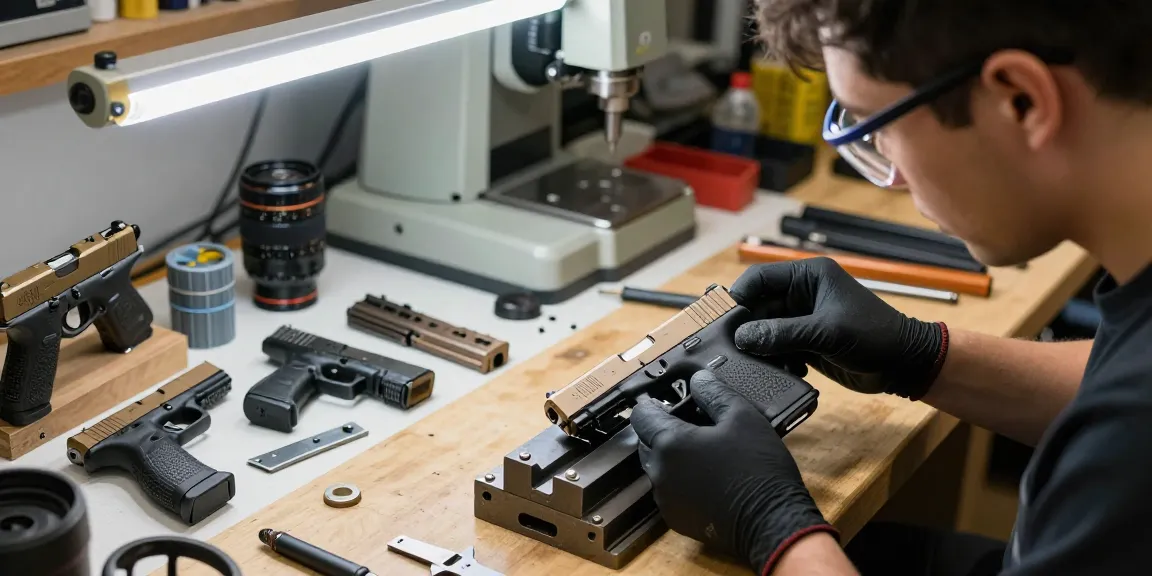
Installing a forced reset trigger can seem daunting, but having the right tools makes the process smoother. Essential tools include a punch set for pin removal, a hammer, a screwdriver set, and possibly a set of pliers. Safety glasses are also recommended to protect your eyes during the installation process. Additionally, it’s beneficial to have your firearm's manual on hand for reference, ensuring that you execute every step correctly without damaging any parts.
Step-by-Step Installation Instructions
The installation process can vary by model, but here’s a general guide to help you through:
- Ensure your firearm is unloaded and pointed in a safe direction.
- Disassemble your firearm according to the manufacturer’s instructions.
- Remove the existing trigger assembly by tapping out the pins. Keep track of all parts.
- Install the forced reset trigger in the same orientation as the original, ensuring proper alignment with the safety and other internal components.
- Reinsert the pins firmly, using caution not to damage them.
- Reassemble your firearm, double-check all functions during reassembly.
- Test functionality in a safe environment before live firing.
Always consult your specific model’s installation instructions for best results.
Common Pitfalls to Avoid
Installing a forced reset trigger is relatively straightforward but can come with challenges. One common pitfall is not thoroughly verifying compatibility, leading to malfunctions. Additionally, rushing through the installation can result in improper alignment or pin placement, risking damage. Ensure all components are within specifications and double-check your work before reassembling the firearm. Taking your time during this process is crucial for safety and functionality.
Performance Optimization for Forced Reset Triggers
Adjusting Settings for Optimal Function
To get the most out of your forced reset trigger, adjusting certain settings can enhance its performance. This may include fine-tuning the trigger pull weight and reset speed. Specific torsion springs can be swapped out to achieve desired resistance levels, allowing customization based on personal preference. Experimentation with different settings and parts can lead to optimal performance that suits your shooting style, ultimately enhancing both accuracy and speed.
Maintenance Tips for Longevity
Regular maintenance is key to ensuring the longevity of your forced reset trigger. Periodically check for signs of wear, as high-volume firing can affect parts over time. Cleaning the trigger mechanism with appropriate lubricants helps prevent friction and wear on moving parts. Always follow the manufacturer's recommendations for cleaning products, avoiding exposure to harsh chemicals that may degrade materials. Proper maintenance not only extends the life of your trigger but maintains peak performance as well.
Tuning and Upgrading Enhancements
As you grow more experienced, consider tuning your forced reset trigger for enhanced performance. This might involve upgrading components like springs, trigger shoes, or even the entire assembly. Many aftermarket suppliers offer specialized parts that can significantly improve trigger feel and operation. Upgrading allows shooters to tailor their firearm's mechanics to their specific shooting style, thereby enhancing overall efficiency and effectiveness in critical scenarios.
Frequently Asked Questions
What is a forced reset trigger?
A forced reset trigger is designed for rapid fire by resetting automatically after each shot, allowing continuous firing without releasing the trigger.
Are forced reset triggers legal?
Legality can vary by location. Always consult local laws and regulations regarding firearm modifications before purchasing a forced reset trigger.
Do forced reset triggers improve firing speed?
Yes, they can significantly improve firing speed by reducing the need for trigger re-engagement, allowing quicker follow-up shots.
Can I install a forced reset trigger myself?
Yes, with the right tools and a careful approach, many users can successfully install their forced reset trigger by following instructions.
How to clean and maintain my trigger?
Regular cleaning with suitable lubricants is essential. Ensure to check for wear and maintain components regularly to prolong the trigger's life.