Understanding Commercial Roofing Services
What Are Commercial Roofing Services?
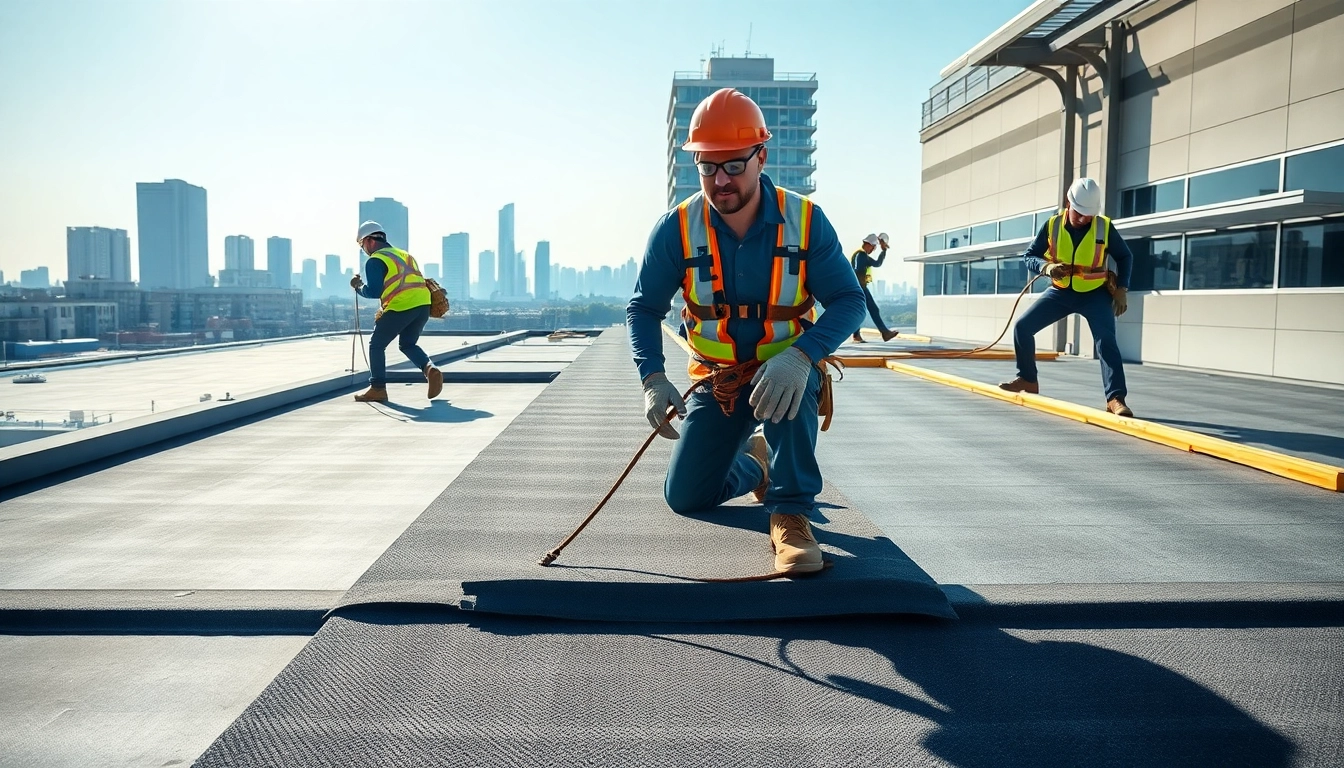
Commercial roofing services refer to specialized practices and techniques employed in the installation, maintenance, and repair of roofs specifically designed for commercial properties. Unlike residential roofing, which caters primarily to homes, commercial roofing encompasses various types of buildings, including warehouses, office buildings, retail spaces, and industrial facilities. The complexity and scale of commercial roofing projects often demand unique materials and techniques that reflect the specific needs of businesses.
These services include an array of options—ranging from roof installation, inspections, and replacements to ongoing maintenance and emergency repairs. Due to the financial stakes involved, the choice among commercial roofing services can significantly impact a business’s operations and long-term investments.
Common Types of Commercial Roofing Systems
Commercial roofing systems are engineered for durability and functionality. Here are the primary types:
- Flat Roofs: Often seen in commercial buildings, these roofs offer easy installation and provide valuable space for HVAC equipment. They can feature materials like TPO, PVC, or EPDM.
- Metal Roofing: A durable and versatile option, metal roofs are increasingly popular due to their longevity and resistance to extreme weather. They can be fabricated from various metals including aluminum, steel, or zinc.
- Built-Up Roofing (BUR): This traditional roofing system consists of multiple layers of materials, creating a robust barrier against leaks. Its long history has showcased its effectiveness in various climates.
- Synthetic Roofing: Synthetic materials, often designed to imitate more traditional roofing styles like slate or tile, provide aesthetically pleasing solutions with lower maintenance requirements.
- Green Roofing: Incorporating vegetation on rooftops for insulation and stormwater management, green roofs are becoming a sustainable choice for environmentally conscious organizations.
Benefits of Professional Roofing Solutions
Investing in professional commercial roofing services offers numerous advantages:
- Expertise: Professional roofers bring extensive training and experience, ensuring high-quality workmanship and adherence to local regulations.
- Access to Quality Materials: Established roofing companies have access to premium materials, providing roofs longevity and security against potential damage.
- Comprehensive Services: From installation to maintenance and emergency repairs, comprehensive services ensure that all roofing needs can be met efficiently.
- Warranty Protection: Professional installations often come with warranties, offering peace of mind regarding future repairs or replacements.
- Energy Efficiency: With roofing advancements, commercial roofs can now be optimized for better energy savings, thus reducing long-term operational costs.
Factors to Consider When Choosing Commercial Roofing Services
Material Selection for Longevity
The material chosen for a roof significantly influences its durability, aesthetic appeal, and overall performance. Different materials can offer varying benefits; for example, metal roofs may last up to 50 years, whereas single-ply membranes may require replacement in 20 years. Understanding the local climate, the building's intended use, and budget constraints can help in selecting the best material. Discussing with experienced contractors can also provide valuable insight into the pros and cons of each material.
Assessing Climate and Location Impact
Climate plays a crucial role in roofing choices. For instance, regions with heavy snowfall may benefit from sloped roofs to prevent accumulation, while areas prone to high heat may require materials that reflect sunlight. Additionally, local building codes can dictate certain standards that a roofing system must meet, impacting material selection and installation methods. Thus, understanding the environmental factors in one’s location is essential in making a well-informed decision about roofing services.
Budgeting for Roofing Projects
Budgeting is integral to any commercial roofing project. Beyond the initial investment, it is vital to consider long-term costs, including maintenance, energy efficiency, and potential repairs. Businesses should aim for a balance between quality and affordability, which requires research into available services and materials. Engaging professionals to draft a comprehensive cost estimate can ensure that all potential expenses are taken into account, avoiding unpleasant surprises later.
Best Practices for Roof Maintenance
Regular Inspections and Assessments
Regular inspections are key to maintaining the health of a commercial roof. These assessments can identify potential problem areas before they escalate into significant issues. A professional should conduct at least two inspections annually and after major storms or extreme weather events. Routine evaluation allows for timely interventions, extending the roof's lifespan and reducing long-term costs.
Common Issues to Monitor
Recognizing and addressing common roof issues can prevent costly repairs. Key problems to monitor include:
- Leaks: Water intrusion can cause severe damage; hence, identifying leaks early is crucial.
- Debris Accumulation: Leaves, branches, and dirt can clog drainage systems, leading to pooling water and subsequent damage.
- Material Wear and Tear: Over time, materials may degrade due to UV exposure, temperature changes, or harsh weather, necessitating prompt repair or replacement.
- Ponding Water: Standing water can lead to increased wear on roofing materials; thus, it’s vital to ensure proper drainage systems are intact.
Emergency Repairs and Solutions
Having a plan in place for emergency repairs can minimize damage and associated costs. Business owners should know how to identify emergency situations, such as severe leaks, widespread damage, or compromised structural integrity. Once issues are identified, contacting a reliable roofing professional for immediate action is critical. Keeping emergency contact information and knowing the fastest route to address concerns can ensure timely intervention, preserving the building's integrity.
How to Choose the Right Contractor for Commercial Roofing Services
Criteria for Selecting a Reliable Roofing Contractor
Choosing the right contractor is paramount for successful roofing projects. Key criteria to consider include:
- Experience: Check the contractor's history and experience with commercial projects similar to yours; an established contractor brings a track record of reliability.
- Licensing and Insurance: Ensure that the contractor possesses the necessary licenses and insurance. This protects both parties in case of accidents or mishaps.
- References and Reviews: Seek reviews from previous clients or ask for references to gauge customer satisfaction and service quality.
- Written Estimates: A credible contractor should provide a detailed written estimate outlining costs, timelines, and the scope of work involved.
Questions to Ask Before Hiring
Before finalizing a contractor, asking the right questions can help clarify expectations and capabilities. Some crucial questions include:
- What types of roofing systems do you specialize in?
- How will you handle potential changes in project scope?
- What is your estimated timeline for completing the project?
- Can you provide a detailed breakdown of costs and payment options?
These inquiries can help businesses select a contractor that meets their needs effectively.
Understanding Warranty Options and Support
Warranties are a critical component of any roofing installation. Understanding what is covered—such as leaks, material defects, and workmanship—is essential for protecting the investment. Different manufacturers may provide varying warranty lengths and terms, which should be discussed openly with contractors. Additionally, knowing the support processes for claims can streamline communication when future issues arise.
Future Trends in Commercial Roofing Services
Innovations in Roofing Materials
Emerging trends in roofing materials are reshaping how commercial roofs are designed and installed. Innovations such as lighter, more energy-efficient materials, and advanced membranes that offer better waterproofing and UV protection are gaining traction. Additionally, the use of smart materials that can change their properties in response to environmental changes is beginning to find applications, enhancing durability and energy efficiency.
Sustainability and Eco-friendly Practices
As sustainability becomes a priority in modern construction, eco-friendly roofing practices are on the rise. Options such as reflective roofing solutions that reduce heat absorption, green roofs that promote biodiversity, and materials made from recycled content are increasingly popular. Choosing sustainable roofing solutions not only supports environmental efforts but can also result in energy savings for businesses in the long term.
Technological Advancements in Roofing
Technological advancements are casting a new light on commercial roofing. Drones are increasingly being used for roof inspections, allowing contractors to assess the roof without the need for scaffolding—saving time and reducing risks. Software solutions for project management streamline communication and planning, leading to more efficient execution. Using Building Information Modeling (BIM) technology facilitates better visualization and planning, helping ensure that roofing projects are completed within budget and on schedule.