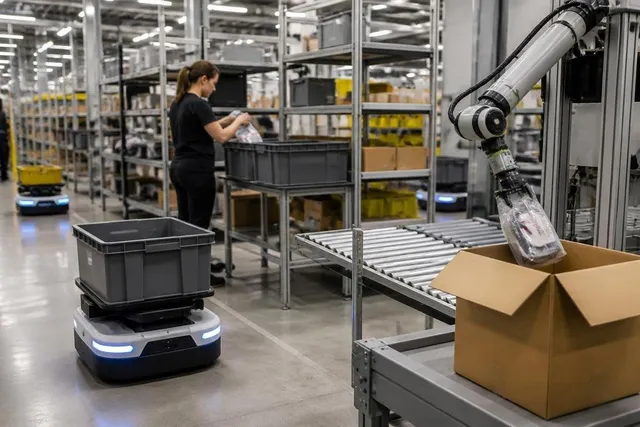
Defining Human Interface with AI
What is Human Interface with AI?
The term Human Interface with AI refers to the ways in which humans interact with artificial intelligence systems. This encompasses various forms of communication—verbal, visual, and behavioral—as AI technologies become integrated into everyday contexts. As AI continues to advance, the importance of establishing a seamless, intuitive interface becomes paramount, focusing on enhancing user engagement, fostering collaboration, and ensuring that the technology caters effectively to human needs.
The Importance of Human Interface with AI
Understanding the Human Interface with AI is crucial in today’s technology-driven society. With AI being implemented in sectors ranging from healthcare to finance, the interaction dynamics between humans and AI systems have far-reaching implications. Effective interfaces can lead to improved user satisfaction, higher efficiency rates, and better decision-making results. Moreover, as AI adopts more complex decision-making roles, ensuring that these systems are user-friendly and intuitive helps mitigate potential biases and enhances trust between users and technology.
Components of Effective Human Interface with AI
To create an effective Human Interface with AI, several components must be carefully designed:
- Clarity: Interfaces should be straightforward, making it easy for users to understand functionality and objectives.
- Responsiveness: The AI needs to provide real-time feedback through the interaction process, which helps users make informed choices.
- Personalization: Interfaces should adapt based on individual user preferences and behaviors to enhance engagement.
- Accessibility: Ensuring that AI systems are usable by people with varying abilities helps foster inclusivity.
- Ethical Design: Addressing ethical considerations during design can improve trust and relationship between users and AI.
Applications of Human Interface with AI
Industry-Specific Examples
Human Interface with AI is utilized across diverse industries, each with unique applications:
- Healthcare: AI-powered diagnostics assist medical professionals in analyzing patient data, improving outcomes through quicker and more accurate assessments.
- Finance: Chatbots in banking offer 24/7 support, enabling clients to address queries in real-time while managing portfolios efficiently.
- Education: Adaptive learning platforms leverage AI to tailor educational experiences based on individual student progress and preferences.
- Manufacturing: AI interfaces optimize supply chain management processes, from inventory control to predictive maintenance.
Case Studies of Successful Human Interface with AI
Several organizations have successfully enhanced their services through innovative Human Interfaces with AI:
- A Health Organization: Implemented an AI-driven virtual assistant that significantly reduced appointment scheduling errors and enhanced patient engagement.
- A Financial Analyst Tool: Developed an AI application that provides insights tailored to user preferences, leading to a 30% increase in user retention.
- An Educational App: This application successfully employed AI to create personalized learning plans, resulting in improved student outcomes by 20%.
Benefits for Businesses
Implementing effective Human Interfaces with AI brings numerous advantages to organizations:
- Increased Efficiency: AI can automate repetitive tasks, freeing up human resources for more strategic roles.
- Cost Reduction: Optimized processes through AI interfaces lead to significant savings in time and money.
- Enhanced Decision-Making: AI provides data-driven insights that facilitate informed choices for businesses.
- Improved Customer Satisfaction: A responsive and personalized interface fosters customer loyalty and encourages repeat business.
Challenges in Human Interface with AI
Common Pitfalls to Avoid
Designing Human Interfaces with AI is not without its challenges. Some common issues include:
- Overcomplication: Adding too many features can overwhelm users and reduce efficacy.
- Lack of Transparency: Failing to clarify how AI makes decisions can lead to mistrust.
- Inadequate User Testing: Skipping thorough testing may result in overlooking usability flaws.
User Acceptance Issues
User acceptance is critical for the adoption of any new technology. Some factors that hinder user acceptance of AI interfaces include:
- Fear of Job Replacement: Users may resist AI integration fearing it threatens employment.
- Understanding AI: A lack of understanding about AI capabilities and limitations breeds skepticism.
Data Privacy and Ethical Considerations
Implementing AI systems involves significant data privacy concerns. Organizations must navigate ethical challenges carefully:
- Data Security: Protecting sensitive information is paramount to maintain trust.
- Bias in AI: Developers must work to eliminate any biases present in training data to ensure fair outcomes.
Best Practices for Designing Human Interfaces with AI
User-Centered Design Principles
User-centered design revolves around understanding and addressing the needs of the target audience. Engaging users throughout the development process fosters empathy and connection, leading to better interfaces.
Iterative Testing and Feedback
Continuous testing is crucial. Regular feedback loops allow designers to refine interfaces based on real user experiences, leading to improved usability and functionality.
Continuous Improvement Strategies
Once deployed, ongoing updates based on usage data and user feedback ensure that interfaces evolve to meet changing user needs. This approach helps maintain relevance and effectiveness.
The Future of Human Interface with AI
Emerging Trends and Technologies
The field of Human Interface with AI is dynamic, with several promising trends on the horizon:
- Natural Language Processing: Enhancements in this area will allow AI systems to understand and respond to human language with greater nuance.
- Emotion Recognition: AI interfaces are becoming more adept at recognizing and responding to users’ emotional states, fostering empathy.
- Brain-Computer Interfaces: Advancements in direct brain-to-machine interfaces could revolutionize interaction paradigms.
Future Research Directions
Future research efforts will likely focus on developing guidelines for ethical AI use, understanding the psychological impacts of AI interactions, and creating frameworks for successful collaborations between humans and AI.
Growing Role in Enhancing Human Experience
The potential of Human Interface with AI to enhance user experiences is profound. As companies prioritize improved interactions and seamless service delivery, we can expect AI not only to augment existing capabilities but to fundamentally enrich human lives and experiences.
Frequently Asked Questions
What is Human Interface with AI?
Human Interface with AI refers to the interaction methods between humans and AI systems, enhancing user experience and communication.
Why are interfaces important in AI?
Interfaces determine how users understand and leverage AI systems, impacting usability, trust, and adoption rates.
How can businesses benefit from AI interfaces?
Businesses can achieve increased efficiency, lower costs, improved decision-making, and enhanced customer satisfaction with effective AI interfaces.
What challenges exist in designing AI interfaces?
Designing AI interfaces involves avoiding complexity, ensuring transparency, and addressing data privacy and ethical concerns.
What future trends should I consider in AI interface development?
Consider trends like natural language processing, emotion recognition, and advances in brain-computer interfaces for future developments.