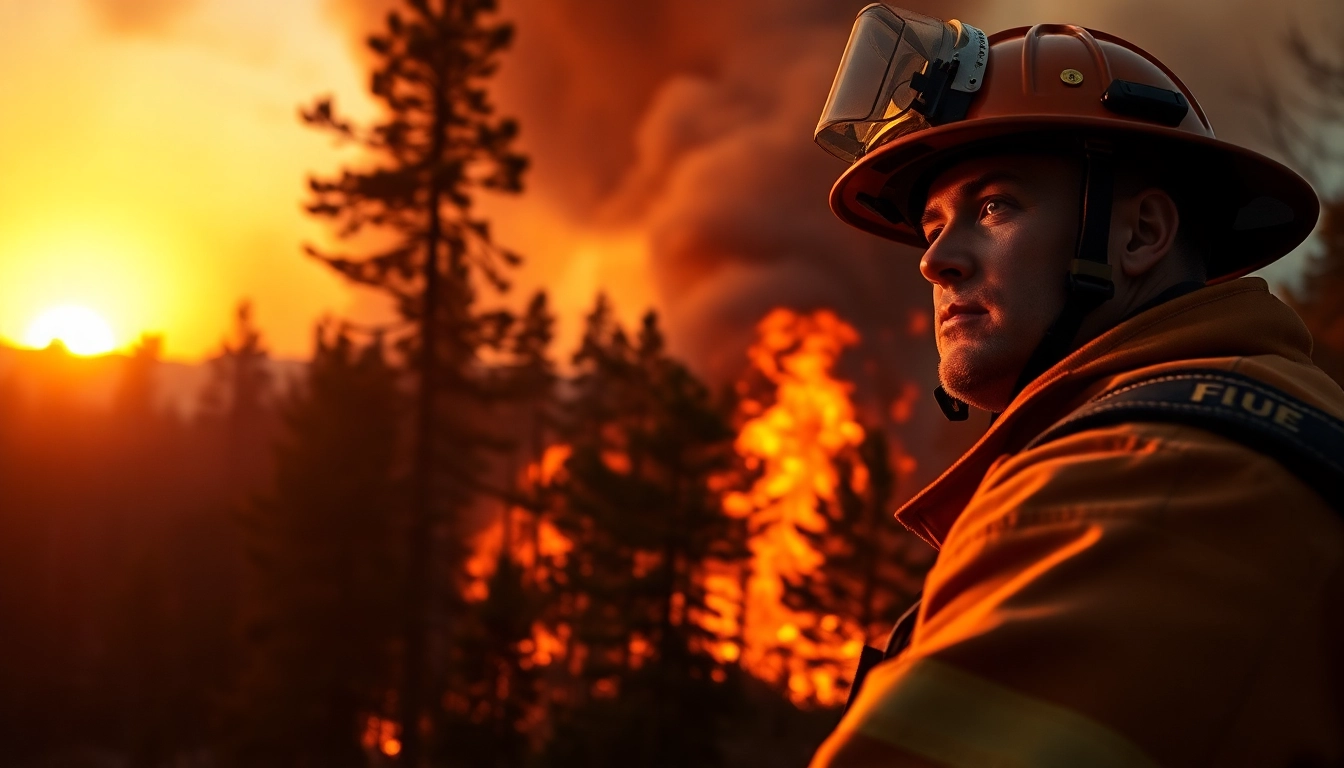
Introduction to Wildfire Events
Wildfire events are increasingly significant concerns across various regions, impacting ecosystems, human health, and communities. Defined as uncontrolled fires that occur in natural areas, these events can be ignited by natural factors like lightning or human activities such as campfires or arson. Understanding the dynamics of wildfire events is crucial for effective management and prevention strategies. For more insights on wildfire events, please visit Wildfire events.
Definition of Wildfire Events
A wildfire, often referred to as a forest fire, is characterized by its uncontrolled nature and its potential to spread rapidly across natural landscapes. These fires can take place in forests, grasslands, and other wild terrains. The flames can engulf vast areas, making them challenging to control, particularly in dry and windy conditions. Ultimately, wildfires are a natural disaster that necessitates immediate attention and strategic response.
Causes of Wildfire Events
Wildfires can arise from a myriad of causes, which can be broadly categorized into natural and human-induced factors:
- Natural Causes: Lightning strikes are the most common natural cause of wildfires. Additionally, extreme heatwaves and spontaneous combustion of dry vegetation can ignite fires.
- Human Activities: These include negligence such as unattended campfires, discarded cigarettes, fireworks, and arson. In many cases, human causes account for a significant majority of wildfires.
Historical Context of Wildfire Events
Historically, wildfires have played a dual role in our ecosystems. On one hand, they contribute to habitat rejuvenation and the cycling of nutrients; on the other hand, uncontrolled wildfires have led to catastrophic losses. Events such as the Great Fire of 1910 and the Peshtigo Fire highlight the devastating impacts of wildfires throughout history. These events often prompt advancements in firefighting techniques and community preparedness strategies.
The Impact of Wildfire Events on Environment and Health
Environmental Consequences of Wildfire Events
Wildfires profoundly affect the environment in various ways:
- Habitat Destruction: The immediate consequence of wildfires is the destruction of flora and fauna, which can take years to recover.
- Air Quality: Wildfires release significant amounts of smoke and pollutants, substantially degrading air quality and affecting both local and global climates.
- Soil Erosion: The intense heat of a wildfire can cause soil to become hydrophobic, leading to increased erosion and altered water runoff patterns.
Health Effects of Wildfire Events Exposure
Individuals exposed to wildfire smoke can experience numerous health issues:
- Respiratory Problems: Fine particulate matter from smoke can lead to respiratory problems, exacerbating conditions like asthma and bronchitis.
- Cardiovascular Risks: Studies indicate that long-term exposure to wildfire smoke can increase the risk of heart disease and other cardiovascular events.
- Mental Health: The stress and anxiety of living through a wildfire event can contribute to mental health issues, including PTSD.
Long-term Impacts of Wildfire Events
The long-term impacts of wildfires extend beyond immediate destruction. Ecosystems may take decades to recover, altering species composition and increasing susceptibility to invasive species. Economically, the aftermath can place a significant burden on communities, necessitating extensive rebuilding efforts and ongoing health monitoring for affected populations.
Preparation and Prevention for Wildfire Events
Planning for Wildfire Events
Effective wildfire prevention begins with proactive community planning. This involves identifying high-risk areas and developing comprehensive fire management plans that include:
- Defensible Space: Homeowners should create defensible spaces around properties, using landscaping techniques to minimize fire risk.
- Evacuation Routes: Communities must establish clear evacuation routes and alert systems to facilitate safe evacuations during wildfire events.
Community Engagement in Wildfire Events Prevention
Community engagement is crucial in wildfire prevention. Initiatives such as educational programs can raise awareness about fire safety and preparedness. Involving local community members in creating and executing fire prevention strategies helps foster a collective sense of responsibility.
Effective Firebreak Strategies for Wildfire Events
Firebreaks can be an essential element in containing wildfires. These are cleared areas devoid of flammable vegetation that can slow or stop the spread of fire:
- Types of Firebreaks: There are natural firebreaks, like rivers, as well as man-made ones, such as roadways. Building effective firebreaks requires careful planning and regular maintenance.
- Strategic Placement: Firebreaks should be strategically placed around high-risk areas, ensuring they are wide enough to halt a fire’s progress.
Response Strategies During Wildfire Events
Firefighting Tactics for Wildfire Events
Firefighting tactics can vary based on the type and intensity of the fire but generally include:
- Direct Attack: Firefighters physically attack the fire using hoses to douse flames directly.
- Indirect Attack: They may also create fire lines or backburn areas to contain the blaze by using controlled burns to eliminate fuel.
Emergency Evacuation Plans for Wildfire Events
Effective evacuation plans are essential for minimizing loss of life during wildfire events. Plans must include:
- Clear Communication: Information about how to evacuate should be communicated clearly to all residents.
- Designated Shelters: Identifying and preparing designated shelters can help streamline the evacuation process.
Communication During Wildfire Events
During wildfire events, timely and accurate communication is paramount. Utilizing various platforms, including local news outlets, social media, and emergency notification systems, can help keep communities informed about fire progress and safety measures.
Future Trends in Wildfire Events Management
Climate Change and Wildfire Events
As climate change alters weather patterns, it is expected that the frequency and intensity of wildfire events will increase. Proactive strategies must adapt with these changes, focusing on mitigation and managing the landscape to reduce fire risks.
Advancements in Fire Safety Technology for Wildfire Events
Technological advancements are transforming wildfire management. Innovations in satellite imaging, drones, and predictive modeling can enhance monitoring and response efforts. These technologies offer real-time data, contributing to more effective decision-making during wildfire events.
Global Collaboration on Wildfire Events Strategies
Effective wildfire management requires global collaboration. Sharing knowledge and resources can help countries develop effective strategies to combat wildfires, forming partnerships that enhance capabilities to predict, respond to, and mitigate wildfires on a global scale.
Frequently Asked Questions
What are the common causes of wildfire events?
Wildfires can be triggered by natural causes such as lightning or human activities like discarded cigarettes and arson. Understanding these causes aids in prevention.
How do wildfire events impact air quality?
Wildfires produce smoke and pollutants that can severely degrade air quality, posing health risks like respiratory issues and heart disease for affected communities.
What is a firebreak?
A firebreak is a gap created in vegetation that acts as a barrier to slow down or stop the spread of wildfires. They are strategically placed around high-risk areas.
How can communities prepare for wildfire events?
Communities can prepare by creating defensible spaces around properties, establishing clear evacuation routes, and educating residents about fire safety.
What role does climate change play in wildfire events?
Climate change increases temperatures and dryness, leading to more frequent and severe wildfire events, necessitating adaptive management strategies.