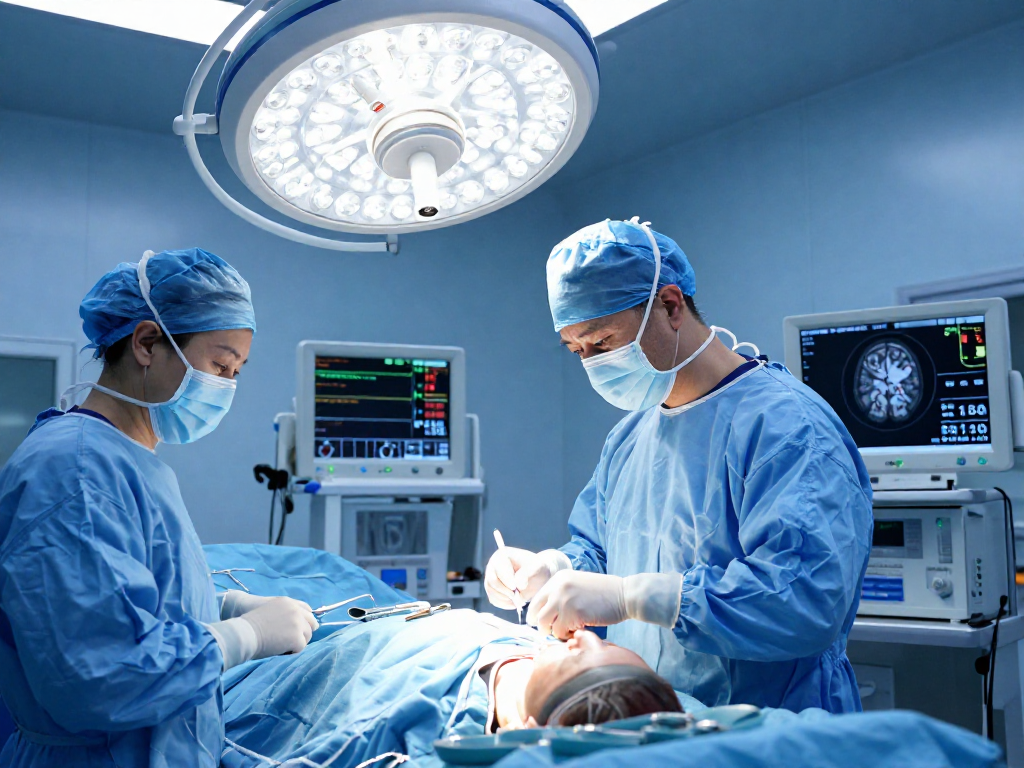
Understanding Beyin Tümörü Ameliyatı
Beyin tümörü ameliyatı is a critical aspect of modern neurosurgery, addressing both benign and malignant tumors that can affect neurological function and quality of life. With advancements in surgical techniques and technologies, patients can expect better outcomes and reduced recovery times. Understanding the nuances of this procedure is vital for patients and their families, allowing them to make informed decisions about their treatment pathways. This article offers a comprehensive overview of what one should know about beyin tümörü ameliyatı, from types of tumors to the intricate steps involved in surgery.
When exploring options, beyin tümörü ameliyatı provides comprehensive insights into the surgical process and its implications.
What is a Brain Tumor Surgery?
Brain tumor surgery involves the removal or reduction of a tumor located in the brain. The primary goal is to eliminate or reduce the tumor's size and alleviate symptoms by relieving pressure on surrounding brain tissue. This type of surgery can be classified into several categories based on the tumor's location, size, and type.
Types of Brain Tumors Treated
Brain tumors are typically classified into two main categories: primary and secondary. Primary tumors originate in the brain, whereas secondary tumors (metastatic tumors) spread to the brain from other parts of the body. Some of the common types of brain tumors treated include:
- Meningiomas: Generally benign tumors that develop from the meninges, the protective layers surrounding the brain.
- Gliomas: These tumors arise from glial cells and may vary significantly in aggressiveness.
- Astrocytomas: A type of glioma originating from astrocytes, which can be low-grade or high-grade.
- Metastatic tumors: Tumors that have spread from other organs, often indicating advanced systemic cancer.
Importance of Early Diagnosis
Early detection of brain tumors is crucial. Symptoms can often be vague or mistaken for other conditions, such as headaches, seizures, or cognitive changes. Advances in imaging techniques such as MRI and CT scans have improved early diagnosis rates. These imaging modalities not only help in identifying tumors but also assist neurosurgeons in planning the most effective surgical approach.
Procedure Steps in Beyin Tümörü Ameliyatı
Pre-Surgery Preparation
Preparation for brain tumor surgery begins well before the actual operation. Patients will undergo a series of diagnostic tests, including imaging studies and possibly biopsies to confirm the tumor type. A thorough medical history and physical examination are also conducted to formulate an appropriate surgical plan. Preoperative counseling is essential, as it helps set realistic expectations for recovery and potential outcomes.
Intraoperative Techniques and Technologies
The surgery itself can last several hours, depending on the complexity and type of tumor being addressed. Surgeons utilize advanced technologies such as:
- Neuro-navigation systems: These systems guide the surgeon in real-time, improving precision.
- Awake craniotomy: In some cases, patients are kept awake during surgery to help identify critical areas of the brain responsible for speech and movement.
- Microsurgical techniques: These techniques allow for the delicate removal of tumors with minimal damage to surrounding tissues.
Post-Operative Care and Monitoring
Following surgery, patients are monitored in a recovery unit or intensive care for several hours to ensure they are stable. The initial 24 to 48 hours post-surgery are crucial for assessing neurological function and identifying any complications. Patients will gradually transition to the general ward, where continued monitoring and physical rehabilitation may begin.
Risks and Complications of Beyin Tümörü Ameliyatı
Common Surgical Risks
Like any major surgery, brain tumor surgery carries inherent risks. These may include:
- Infection
- Bleeding within or around the brain
- Neurological deficits, such as weakness or speech difficulties
- Seizures
Managing Recovery Challenges
Patients may face challenges during recovery, necessitating physical and occupational therapy to regain lost functions. Follow-up appointments are crucial for monitoring recovery progress and adjusting treatment plans as necessary.
Long-term Effects and Follow-Up Protocols
Long-term effects can vary widely based on the tumor type and location, as well as the extent of the surgery. Regular follow-ups, including MRI scans, are essential to detect any recurrence of the tumor early. Patients may require ongoing therapies, including radiation or chemotherapy for malignant tumors to minimize the risk of recurrence.
Innovations in Beyin Tümörü Ameliyatı Techniques
Micro- and Nano-Surgical Techniques
Recent advancements in micro- and nano-surgical techniques allow for a more targeted approach to tumor removal. These methods minimize trauma to healthy brain tissue, promoting quicker recovery and better outcomes.
The Role of Gamma Knife in Treatment
Gamma Knife radiosurgery has become an effective treatment option for specific types of brain tumors. This non-invasive procedure delivers high doses of radiation to the tumor while sparing surrounding tissues, particularly useful for inoperable tumors or when surgical risks are deemed too high.
Future Trends in Neurosurgery
As technology evolves, the future of brain tumor surgery looks promising. Ongoing research into genetic markers and personalized medicine suggests that treatments will become even more tailored to the individual patient, improving outcomes and reducing side effects.
Patient Insights and Experiences
Real Stories from Brain Tumor Survivors
Many patients find strength in sharing their experiences. Stories of resilience and recovery offer hope and education to those facing similar challenges.
Guidelines for Caregivers and Families
Caring for a loved one after brain tumor surgery requires patience and understanding. Families should be informed about potential changes in behavior, mood, and physical abilities, allowing them to provide appropriate support.
Resources for Support and Information
Several organizations provide valuable resources for patients and families navigating brain tumor treatment. These can include support groups, educational materials, and access to clinical trials.
What are the signs of a brain tumor?
Common signs include persistent headaches, seizures, changes in vision or hearing, and cognitive difficulties. Early consultation with a healthcare provider is advised if these symptoms occur.
How long is the recovery period after brain surgery?
Recovery can vary significantly, depending on the type of surgery and individual patient factors. Generally, patients can expect several weeks to months of recovery, during which physical therapy may be beneficial.
What should I expect during the follow-up visits?
Follow-up visits usually involve neurological assessments, MRI scans, and discussions regarding any ongoing treatment plans. These appointments are crucial for monitoring health and managing any complications.
Are there non-surgical options for brain tumors?
Non-surgical options, such as radiation therapy or chemotherapy, may be appropriate for patients who are not surgical candidates or for specific tumor types. For more information, beyin tümörü ameliyatı offers valuable insights. Discussing all available options with a healthcare team is essential.