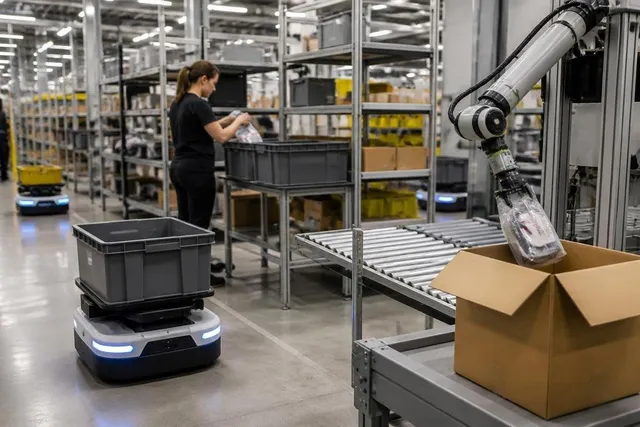
Defining Technology and Its Importance
What is Technology?
At its core, Technology can be defined as the application of scientific knowledge for practical purposes. It encompasses the tools, systems, and methods utilized in various fields to solve problems and meet human needs. From simple mechanical devices to complex digital networks, technology has evolved tremendously, reflecting humanity's quest for innovation and efficiency.
Technology is not merely confined to the devices we use daily; it also includes processes, such as the methodologies applied in industries, communication, and even social interactions. As society advances, technology becomes a crucial component influencing lifestyle, economy, and the way we connect with one another.
The Role of Technology in Modern Society
In modern society, technology plays an indispensable role across every sector. From healthcare and education to finance and entertainment, it enhances productivity and creates new avenues for personal and professional growth. For instance, telemedicine has revolutionized the healthcare industry by enabling remote consultations, allowing patients to access medical advice from the comfort of their homes.
Moreover, technology has transformed communication, making it easier than ever to connect with others globally. Social media platforms, emails, and video conferencing tools have bridged geographical divides, facilitating real-time communication and collaboration. Consequently, technology not only enhances individual capabilities but also promotes community engagement and global awareness.
Common Misconceptions About Technology
Despite its benefits, there are prevalent misconceptions regarding technology that often hinder its adoption. One common belief is that technology is solely about gadgets and devices. While these are visible manifestations, the essence of technology lies in systems, processes, and methodologies that streamline life and work.
Additionally, some argue that technology leads to job displacement. While it's true that automation can replace certain roles, it also creates new opportunities and demands for different skills. As history has shown, rather than eliminating jobs, technology often transforms them, requiring a workforce that can adapt and thrive in evolving environments.
Types of Technology Transforming Our Lives
Information Technology: Connectivity Redefined
Information Technology (IT) is one of the most significant areas of technological advancement, encompassing everything from computing systems to information management. IT has reshaped how organizations operate, facilitating data analysis, decision-making, and enhancing overall efficiency.
The rise of cloud computing has furthered this transformation, allowing organizations to store vast amounts of data remotely while ensuring accessibility. Moreover, advancements in cybersecurity have become paramount, as businesses depend on protecting sensitive information in an increasingly digital world.
Biotechnology: Innovations in Health and Medicine
Biotechnology applies biological systems and organisms to develop products and technologies that improve human life. The field has seen breakthroughs in medicine, agriculture, and environmental conservation. Genomic research, for example, enables tailored treatments based on individual genetic profiles, improving patient outcomes.
Additionally, biotechnology plays a pivotal role in addressing global challenges such as food security and disease control. Innovations in genetically modified organisms (GMOs) have led to crop varieties that are more resilient to climate change, thereby ensuring sustainable food production.
Environmental Technology: Solutions for Sustainability
As concerns over climate change and environmental degradation intensify, environmental technology offers innovative solutions. This field focuses on creating sustainable practices and products, such as renewable energy systems, waste management technologies, and water purification methods.
For instance, solar panels and wind turbines harness natural resources to produce clean energy, reducing reliance on fossil fuels and lowering carbon footprints. Furthermore, smart grid technology enhances energy efficiency by optimizing electricity distribution and consumption.
The Positive and Negative Impacts of Technology
Benefits of Embracing Technology
The benefits of technology are manifold, ranging from enhanced productivity to improved quality of life. In workplaces, technology streamlines operations, reduces costs, and supports collaboration among teams. Automation of routine tasks allows employees to focus on more strategic initiatives, fostering a culture of innovation.
In personal life, technology enhances convenience and connectivity. Smart home devices, mobile applications, and online services provide comfort, simplify daily tasks, and facilitate access to information and resources. Overall, technology contributes significantly to a more efficient and high-quality life.
Challenges and Risks Associated with Technology
However, the widespread adoption of technology is not without its challenges. Issues such as digital privacy, cybersecurity threats, and the digital divide remain pressing concerns. As technology advances, so do the tactics of malicious actors seeking to exploit vulnerabilities.
Moreover, excessive reliance on technology can lead to social isolation and mental health issues. The phenomenon of screen fatigue and diminishing face-to-face interactions highlights the importance of balancing technology use in our lives.
Balancing Technology Use for Well-being
To maximize the benefits of technology while minimizing its drawbacks, individuals and organizations must adopt balanced strategies. This includes setting boundaries around technology use, such as designated screen-free times or engaging in offline activities. Additionally, organizations should promote a healthy work culture that prioritizes well-being alongside technological integration.
Future Trends in Technology
Emerging Technologies to Watch
The technological landscape is continually evolving, with exciting emerging technologies on the horizon. Noteworthy trends include blockchain, quantum computing, and augmented reality (AR). Blockchain technology, known primarily for its application in cryptocurrencies, holds potential for enhancing transparency and security in various industries.
Quantum computing promises to revolutionize data processing by solving complex problems at unprecedented speeds, while AR enhances real-world experiences through interactive applications—a trend already gaining traction in fields such as education and gaming.
The Influence of Artificial Intelligence on Technology
Artificial Intelligence (AI) is reshaping industries by automating processes, enhancing decision-making, and personalizing user experiences. With its ability to analyze vast datasets and recognize patterns, AI is being deployed in areas like healthcare for predictive analytics and diagnostics, transforming patient care.
Moreover, AI-powered chatbots and virtual assistants are revolutionizing customer service, providing instant support and enriching customer engagements. As technology continues to integrate AI capabilities, its significance in everyday operations across various sectors will only grow.
Predictions for the Next Decade in Technology
Looking ahead, the next decade is set to bring transformative changes driven by advances in technology. The convergence of various technologies—such as AI, IoT (Internet of Things), and 5G—will create intelligent environments that anticipate user needs, thereby enhancing efficiencies in personal and professional spaces.
Additionally, the societal implications of these technological changes will prompt discussions around ethics in technology deployment, data privacy regulations, and the necessity for digital literacy in the workforce. Preparing for these changes will be crucial for both individuals and organizations as they navigate the future landscape of Technology.
Implementing Technology Effectively in Organizations
Best Practices for Adopting New Technologies
Organizations aiming to adopt new technologies should follow best practices to ensure successful implementation. This includes conducting thorough research and evaluation of technology options that align with organizational goals and employee needs. Involving stakeholders in the selection process to foster buy-in and address potential concerns is vital.
Furthermore, providing training resources is essential to equip employees with the knowledge to utilize new tools effectively. Continuous support and feedback mechanisms can help organizations adjust to challenges and maximize the benefits of implemented technologies.
Measuring the Success of Technology Implementations
To assess the effectiveness of technology implementations, organizations must establish clear performance metrics and KPIs (Key Performance Indicators). Metrics may include measuring productivity increases, cost savings, and employee satisfaction levels post-implementation.
Regular evaluations can facilitate adjustments where necessary, ensuring that the technology continues to meet organizational needs. Engaging employees in the feedback process also fosters a culture of adaptability and continuous improvement.
Case Studies of Technology Integration
Examining successful case studies of technology integration can provide valuable insights and strategies for organizations. For instance, a manufacturing firm that adopted IoT technology to monitor equipment performance saw significant reductions in downtime and maintenance costs. By analyzing real-time data, the organization was able to predict failures and schedule proactive maintenance, ultimately improving operational efficiency.
Similarly, a retail business that implemented an AI-driven inventory management system optimized stock levels based on demand forecasts, reducing overstock and enhancing customer satisfaction. These examples demonstrate how thoughtful technology implementations can lead to measurable improvements across various organizational metrics.