
 By admin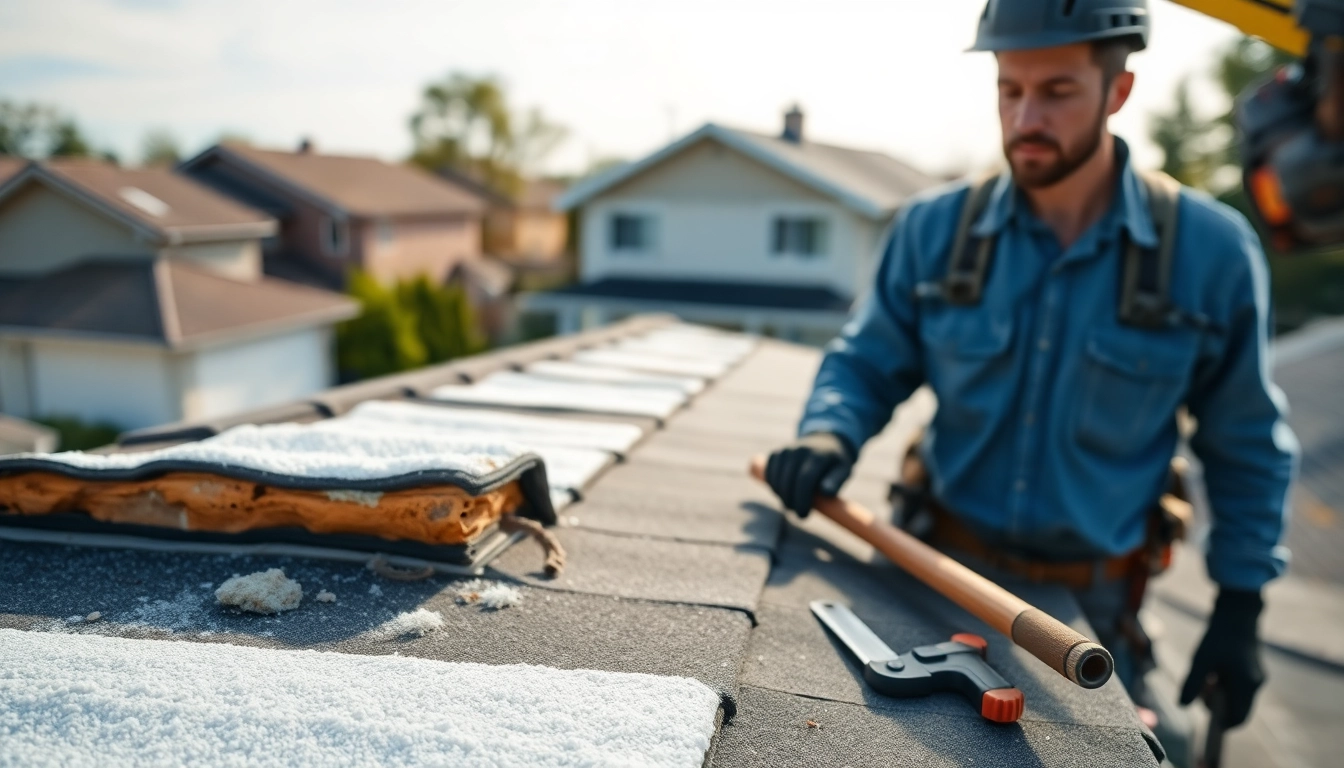
Understanding Spray Foam Roof Problems
Spray foam roofing is a popular choice among homeowners seeking a durable and energy-efficient roofing solution. However, like any roofing material, spray foam can encounter various problems. Understanding these spray foam roof problems is essential for homeowners to maintain the integrity and longevity of their roofs. This article delves into common issues, the signs to look out for, and the consequences of neglecting necessary repairs.
Common Issues Faced by Homeowners
While spray foam roofing is celebrated for its resilience, homeowners may still encounter several challenges. Some of the most common issues include:
- Adhesion Failure: Poor adhesion to the substrate can lead to bubbles or delamination. This can occur during installation or as a result of environmental factors.
- Water Intrusion: If the foam is compromised, water can infiltrate the roofing system, leading to damage and mold growth.
- UV Damage: Spray foam roofs must be coated with an elastomeric or protective layer to shield against UV rays. Without this, the foam can degrade over time.
- Thermal Splitting: Extreme temperature fluctuations can cause the foam to shrink and expand, creating cracks or splits.
- Biological Growth: Mold and mildew can thrive in damp conditions on a damaged foam surface, posing health risks.
Signs of Spray Foam Roof Problems
Being proactive in identifying issues with your spray foam roof is vital for maintaining its condition. Look for these telltale signs:
- Visible Bubbles or Blisters: These indicate that the foam is losing adhesion or moisture is trapped underneath.
- Water Stains: Interior leaks may manifest as discoloration on ceilings or walls.
- Cracks in the Surface: These can develop due to thermal expansion, indicating the need for repairs.
- Mold Odors: A musty smell can signify mold growth associated with moisture damage.
- Deterioration of Coating: If the protective layer is fading or peeling, the foam underneath may be at risk.
Consequences of Ignoring Issues
Neglecting any signs of damage can have serious repercussions:
- Increased Repair Costs: Small issues can escalate into major repairs if not addressed promptly.
- Decreased Roof Lifespan: A neglected foam roof will suffer premature aging and may need complete replacement.
- Structural Damage: Ongoing water intrusion can compromise the structural integrity of the home.
- Health Risks: Mold growth can lead to respiratory issues for occupants.
- Decreased Energy Efficiency: A compromised roof may not insulate properly, leading to higher energy bills.
Causes of Spray Foam Roof Problems
Understanding the root causes of spray foam roof problems is crucial for prevention and effective maintenance. Here are key factors contributing to these issues:
Environmental Factors Affecting the Roof
Environmental conditions can play a significant role in the deterioration of spray foam roofs. Factors such as:
- Weather Extremes: Constant exposure to heavy rains, intense sun, or freezing temperatures can weaken the material.
- Poor Ventilation: Inadequate airflow can lead to moisture buildup, fostering mold growth.
- Location: Homes in coastal areas may face additional challenges from salt spray and humidity.
Improper Installation Impact
One of the primary causes of spray foam roof problems is improper installation. Key elements that can lead to installation faults include:
- Inadequate Surface Preparation: Not cleaning or priming the surface before applying spray foam can result in poor adhesion.
- Incorrect Application Thickness: Applying too thin or uneven layers can create vulnerabilities.
- Use of Poor-Quality Materials: Utilizing inferior materials can lead to rapid deterioration.
- Lack of Experience: Hiring unqualified contractors can increase the risk of installation errors.
Maintenance Negligence
Skimping on regular maintenance can lead to more extensive problems in the long run. Key areas of neglect include:
- Failure to Conduct Inspections: Neglecting to regularly assess the roof can allow small issues to evolve into larger ones.
- Ineffective Repairs: Temporary fixes may not adequately address underlying problems, leading to further damage.
- Lack of Cleaning: Debris accumulation can trap moisture and degrade the foam.
Best Practices for Maintaining Spray Foam Roofs
To prevent potential problems, adhering to best maintenance practices is essential. Here are proven strategies to keep your spray foam roof in optimal condition:
Regular Inspections and Assessments
Conducting routine inspections allows homeowners to catch and address issues early. Key steps include:
- Schedule Annual Inspections: A professional should examine the roof at least once a year.
- Post-Storm Checks: Inspect the roof after severe weather events for any new signs of damage.
- Document Findings: Keeping a record of inspections and repairs will help track the roof’s condition over time.
Preventive Maintenance Techniques
Implementing preventive measures can protect against future issues:
- Clear Debris: Regularly remove leaves, branches, and other debris from the roof surface.
- Check Drainage Systems: Ensure that gutters and downspouts are clear to prevent water buildup.
- Apply Protective Coatings: Consider applying protective coatings every few years to extend the life of the roof.
Utilizing Professional Services
Enlisting professional help can provide assurance and expertise:
- Engage Licensed Contractors: Always hire skilled professionals with experience in spray foam roofing.
- Schedule Regular Maintenance: Many contractors offer preventive maintenance plans tailored to your needs.
- Review Service Providers: Check references and reviews to find reputable roofing professionals.
Repairing Spray Foam Roof Problems
When issues arise, determining the right repair approach is crucial. Understanding your options will help you make informed decisions:
Identifying the Right Repair Techniques
Different problems require specific repair techniques:
- Surface Repair: Minor cracks can often be repaired using sealants designed for spray foam roofs.
- Reapplication of Foam: In cases of significant damage, a contractor may advise reapplying spray foam over the affected area.
- Replacing Coatings: If the protective layer is compromised, consider reapplying a durable top coat.
DIY Solutions vs Professional Repairs
While some homeowners may choose to tackle repairs themselves, consider the complexity:
- DIY for Minor Issues: Small repairs like sealing cracks can be tackled safely by knowledgeable homeowners.
- Professional Help Recommended: For major repairs or extensive damage, professional intervention is advisable to ensure proper handling.
Cost Considerations for Repairs
The cost of repairs can vary significantly based on the scope of work involved:
- Minor Repairs: Simple repairs can range from a few hundred to a thousand dollars.
- Extensive Damage: More severe issues requiring reapplication or replacement can run into the thousands.
- Regular Maintenance Costs: Factor in the cost of preventative maintenance to avoid larger repair expenses later.
FAQs about Spray Foam Roof Problems
What are the most common spray foam roof problems?
The most common issues include adhesion failure, water intrusion, UV damage, thermal splitting, and biological growth. Regular inspections can help prevent these problems.
How often should I inspect my spray foam roof?
Homeowners should inspect their spray foam roofs at least once a year and after severe weather events to ensure no damage has occurred.
Can I repair spray foam roofing myself?
Minor repairs, such as sealing cracks, can be DIY projects. However, significant damage should be handled by professionals to ensure a proper fix.
What causes spray foam roofing to degrade?
Common causes of degradation include poor installation, UV exposure, moisture intrusion, and inadequate maintenance. Regular check-ups are essential to prevent these issues.
How long does a spray foam roof last?
With proper installation and regular maintenance, a spray foam roof can last anywhere from 20 to 50 years, depending on environmental conditions and usage.