
 By admin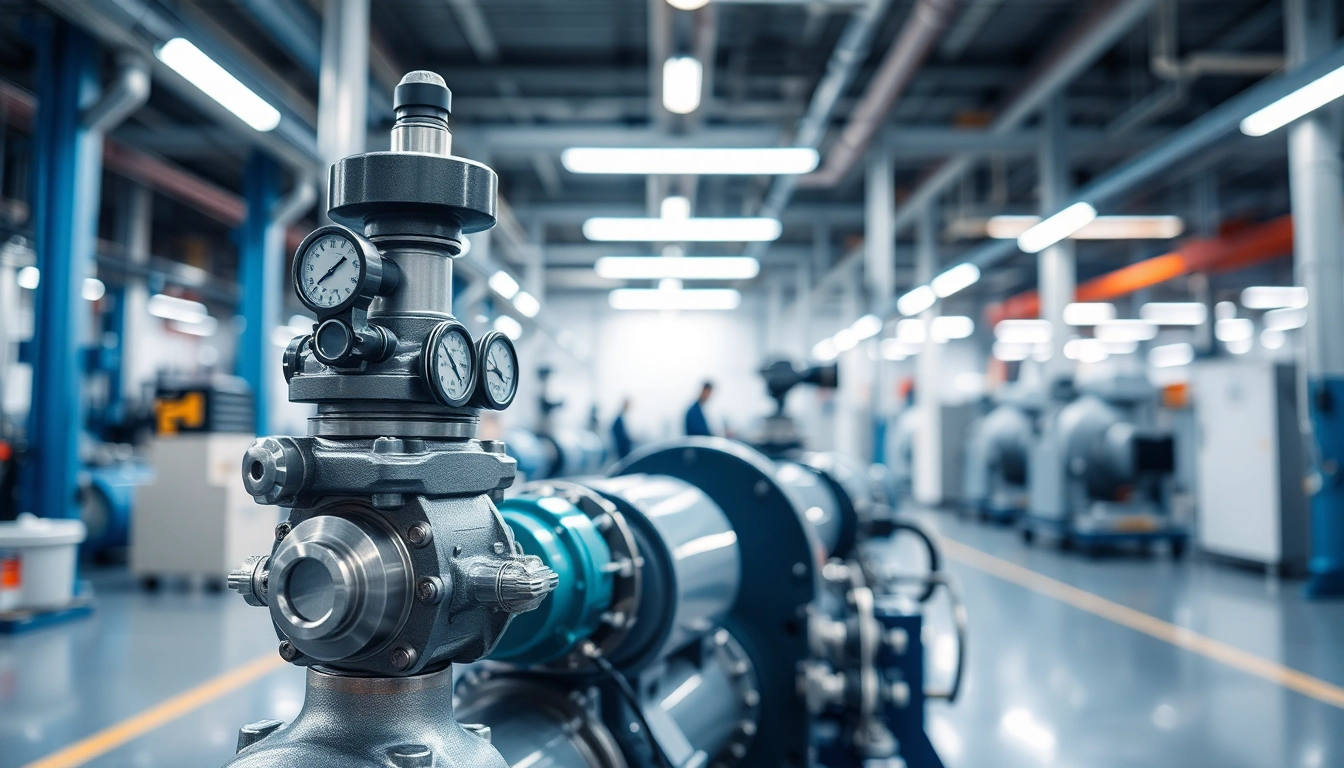
What are Fluid Power Systems?
Definition and Components
Fluid power systems are technological systems that utilize pressurized fluids to generate, control, and transmit power. These systems are typically divided into two main categories: hydraulic systems, which use liquid fluids such as oil, and pneumatic systems, which use gases like air. The essential components of a fluid power system include a fluid power systems pump or compressor, valves, actuators, and a reservoir. These components work interdependently to perform various tasks across numerous industrial applications.
How Fluid Power Systems Work
The operation of fluid power systems is based on the principles of fluid dynamics. A pump generates hydraulic pressure by expelling fluid from a reservoir. This pressurized fluid flows through valves that regulate the flow and direction before reaching actuators, such as hydraulic cylinders or motors. When the pressurized fluid enters these actuators, it performs work by producing linear or rotational motion. This conversion of energy from fluid to mechanical work is a fundamental characteristic of fluid power systems, ensuring high efficiency and effectiveness in various applications.
Types of Fluid Power Systems
The two primary types of fluid power systems are hydraulic systems and pneumatic systems:
- Hydraulic Systems: These systems utilize incompressible liquids, typically hydraulic oils, to transfer power. They are known for their ability to generate high force and are widely used in heavy machinery, construction, and industrial equipment.
- Pneumatic Systems: These systems use compressed air or gas to transmit power. Pneumatic systems are lighter and can operate at higher speeds than hydraulic systems, making them ideal for applications like packaging, assembly lines, and tools.
Applications of Fluid Power Systems
Industry Applications
Fluid power systems are essential in various industries. They are commonly used in manufacturing and assembly lines where precise control of machinery is required. Additionally, they can be found in transportation systems, such as elevators and forklifts, that rely on the efficiency and reliability of these systems to operate effectively. In the agricultural sector, hydraulic systems power equipment such as tractors and harvesters, enhancing productivity and operational efficiency.
Everyday Uses
Beyond industrial applications, fluid power systems play a critical role in everyday life. For instance, automotive brake systems use hydraulic principles for safe stopping. Pneumatic systems are also omnipresent in automated machinery found in kitchens, such as dishwashers and coffee machines, where they control moving parts effectively.
Examples in Heavy Machinery
Heavy machinery is one of the most significant domains for fluid power systems. For example, excavators and backhoes utilize hydraulic systems to lift heavy loads with precision. In mining operations, large hydraulic shovels and drills leverage fluid power to operate efficiently under demanding conditions. These machines exhibit how fluid systems effectively handle heavy workloads while maintaining performance and speed.
Advantages of Fluid Power Systems
Efficiency and Performance
One notable advantage of fluid power systems is their efficiency in converting power. Hydraulic systems can transmit large amounts of power over long distances with minimal energy loss, making them highly efficient for heavy-duty applications. Furthermore, the precise control offered by these systems allows for smooth and reliable operation, enhancing overall productivity.
Reliability and Maintenance
Fluid power systems are generally reliable, operating under harsh conditions without failure. They also require less frequent maintenance than mechanical systems due to fewer moving parts that are susceptible to wear and tear. Routine checks and proper installation can prolong their lifespan, ensuring continuous efficiency.
Comparison with Other Power Systems
When compared to electrical systems, fluid power systems often outperform in areas requiring high torque and power at low speeds. For instance, hydraulic motors deliver significant torque even at stationary conditions, which is advantageous in applications like lifting and forging. In contrast, electrical systems may struggle with high-load requirements. Understanding these differences is crucial for selecting the right power system for specific applications.
Challenges in Fluid Power Systems
Common Issues and Maintenance
Despite their advantages, fluid power systems face challenges such as fluid leakage, which can lead to efficiency loss and environmental hazards. Regular maintenance, including checks for seepage and hydraulic fluid quality, is critical to ensure optimal performance. Additionally, contamination, often from particulates or moisture, can hinder system efficiency and damage components if not controlled through proper filtration methods.
Environmental Impact Considerations
Hydraulic fluids can be hazardous to the environment if leaks occur. Industry regulations necessitate the use of biodegradable fluids and stringent spill response plans to mitigate risks. Advances in eco-friendly hydraulic fluids are gaining traction, offering reduced environmental impact without sacrificing performance. Furthermore, these practices align with the growing emphasis on sustainability in industrial operations.
Technological Limitations
Fluid power systems may also face technological challenges, such as response time and control precision. While advancements have improved these aspects, issues may still arise in complex applications requiring rapid adjustments. Regular updates to control systems and sensors can help address these limitations and enhance overall system performance, allowing for adaptive control in dynamic environments.
Future Trends in Fluid Power Systems
Innovative Technologies
The future of fluid power systems is poised for innovation, with developments in smart technology integration enhancing performance and reliability. The incorporation of IoT devices into fluid power systems allows for real-time monitoring and predictive maintenance. These advancements make it feasible to make data-driven decisions, improving operational efficiency further.
Sustainable Practices
Sustainability is becoming increasingly important in fluid power, pushing the industry towards adopting eco-friendly practices. The shift towards hydraulic fluids that are less harmful to the environment and the adoption of recycling methods for fluids are gaining traction. These practices not only reduce environmental impact but also cater to the growing demand for sustainable solutions in manufacturing and operations.
Emerging Markets and Opportunities
The demand for fluid power systems is expected to grow in emerging markets due to heightened industrialization and urbanization. As industries evolve, there will be increasing opportunities for innovation within fluid mechanics, automation, and robotics. Companies that embrace these opportunities can significantly benefit from the rising demand for sophisticated, reliable, and efficient fluid power systems in diverse applications.
FAQs About Fluid Power Systems
What is a fluid power system?
A fluid power system is a technology that uses pressurized fluids to generate, control, and transmit power, commonly divided into hydraulic and pneumatic systems.
What are the main components of fluid power systems?
Main components include pumps or compressors, valves, actuators, and reservoirs, all essential for the efficient operation of the system.
What are the advantages of using hydraulic systems?
Hydraulic systems offer high efficiency in power transmission, precise control, and reliability with minimal maintenance requirements.
How do pneumatic systems differ from hydraulic systems?
Pneumatic systems use compressed gases for power transmission, making them lighter and faster, while hydraulic systems use incompressible liquids for high-force applications.
What are the future trends in fluid power systems?
Future trends include the integration of smart technology, adoption of sustainable practices, and the growth of fluid power systems in emerging markets.
Contact Information
Call Us: 1 780-452-2876
Email: [email protected]
Address: 13111 159 St NW, Edmonton, AB, Canada, T5V 1H6
