
 By admin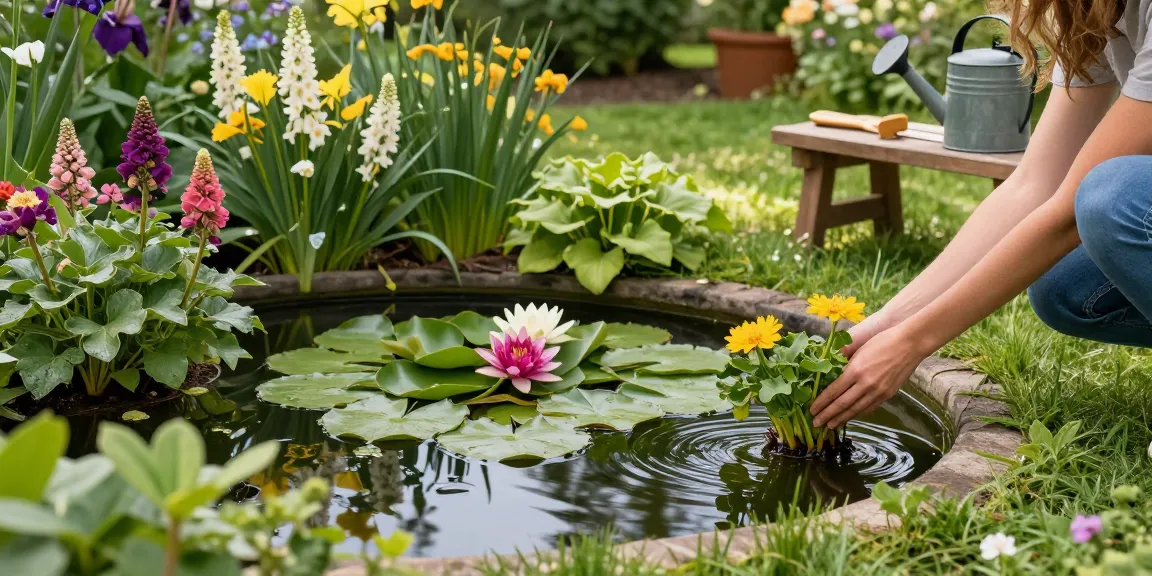
Understanding Marginal Pond Plants
Creating a vibrant pond environment involves more than just having water; it requires a careful selection of plants that harmonize with the ecosystem. Among these, marginal pond plants play a crucial role in enhancing the beauty and health of your water feature. Not only do they add aesthetic appeal, but they also contribute to the ecological balance of your pond. If you’re looking to Buy Marginal Pond Plants, understanding their characteristics and benefits is essential for successful pond management.
What Are Marginal Pond Plants?
Marginal pond plants are those that naturally grow in the shallow waters along the edges of ponds, lakes, and waterways. These plants thrive in moist soil and water, often seen partially submerged or sitting in shallow water. They typically extend their roots into the substrate of the pond and their foliage extends above the water’s surface, creating a lush, verdant border that provides habitat for various wildlife.
Benefits of Including Marginal Plants in Your Pond
Integrating marginal pond plants into your aquatic ecosystem offers numerous benefits. Here are some key advantages:
- Wildlife Habitat: Marginal plants provide shelter and nesting sites for birds, frogs, and other aquatic creatures.
- Water Filtration: They help filter pollutants and excess nutrients from the water, contributing to better water quality.
- Algae Control: By competing for nutrients, marginal plants can help reduce algae blooms, maintaining the aesthetic value of your pond.
- Aesthetic Appeal: Their varied textures, colors, and blooms can enhance the visual attractiveness of your pond landscape.
Common Types of Marginal Pond Plants to Buy
When considering which marginal plants to include in your pond, you have a wide range of options:
- Reed: Known for their tall, slender stalks which provide habitat and food for wildlife.
- Bulrush: Great for stabilizing pond edges and creating natural barriers.
- Water Lily: While primarily a floating plant, its pads can extend to the marginal zones to provide shade.
- Japanese Iris: Offers stunning blooms and can thrive in the shallow waters of your pond.
How to Choose the Right Marginal Pond Plants
Selecting the right marginal plants is crucial to the health and beauty of your pond. When making your decisions, consider the following factors:
Assessing Your Pond Environment
Before purchasing plants, assess the specific conditions of your pond. Consider factors like sunlight exposure, water depth, and the type of soil. Some plants prefer full sun while others thrive in partial shade. Understanding these conditions will help you choose the most suitable species.
Matching Plants to Your Climate
Your local climate significantly impacts the types of marginal plants that can thrive in your pond. For example, in cooler regions, you might opt for hardier varieties, while warmer climates may allow for a wider selection of tropical species.
Considerations for Plant Size and Growth
Be mindful of the eventual size of the plants you select. Marginal plants can vary significantly in height and spread, so ensure that the space around your pond can accommodate their growth. Consider the overall aesthetic and ensure that taller plants won’t overshadow smaller ones.
Planting Techniques for Success
Proper planting techniques are vital for ensuring your marginal pond plants establish themselves effectively. Follow these guidelines for the best results.
Step-by-Step Guide to Planting Marginals
- Choose healthy plants from a reputable source.
- Prepare the planting area by clearing any debris or competing weeds.
- Create a planting hole that accommodates the root system of the plant.
- Place the plant in the hole and backfill with suitable soil, ensuring it is level with the water’s edge.
- Water thoroughly after planting.
Best Soil and Fertilization Practices
The substrate plays a crucial role in the success of your marginal plants. Use a nutrient-rich soil mix specifically designed for aquatic plants. While additional fertilization may not be necessary, a slow-release fertilizer can help during the growing season.
Arranging Plants for Aesthetic Appeal
When arranging your marginal plants, consider varying heights and textures to create a more natural look. Plant in groups for visual impact, and ensure that taller species are positioned at the back or center of each cluster, with shorter plants in front.
Maintaining Your Marginal Pond Plants
After planting, regular maintenance is essential for keeping your marginal pond plants healthy. This includes monitoring water quality, seasonal care, and pest management.
Water Quality and Its Impact on Plant Health
Maintaining optimal water quality is vital for the health of your pond plants. Test the water regularly for pH levels, nitrate, and phosphate concentrations. Clear, balanced water supports plant growth and deters algae development.
Seasonal Care Routines
Seasonal changes require adjustments in care routines. In spring, ensure that any dead foliage from the winter is removed, while in summer, watch for overgrowth and thinning as necessary.
Identifying and Managing Pests
Monitor your plants for signs of pests such as aphids or snails. Introducing natural predators, like certain fish species, can help control these populations. Additionally, using organic pesticides may be an option for serious infestations.
Future Trends in Pond Planting for 2026
The world of pond gardening is evolving, and keeping abreast of trends can enhance your aquatic landscape. Here are some emerging considerations for the future.
Emerging Varieties of Marginal Pond Plants
New cultivars of marginal plants are frequently introduced, designed for improved resilience, color, and growth patterns. These plants can adapt better to varying climates and provide more extensive blooms.
Sustainable Practices for Pond Management
As environmental concerns grow, sustainable practices in pond management are becoming more prevalent. This includes the use of native plants, which support local wildlife and reduce the need for pesticides and fertilizers.
Innovative Design Ideas for Modern Ponds
Modern ponds are evolving from traditional designs to more creative and integrated landscapes. Incorporating natural stones, unique plant arrangements, and water features can enhance the aesthetic while promoting healthy ecosystems.
What are the best marginal plants for small ponds?
For small ponds, consider compact species such as Japanese Iris, Pennywort, and Miniature Bulrush. These plants provide beauty without overwhelming your water feature.
How often should I water my marginal pond plants?
Marginal plants thrive in moist environments; however, watering is typically not needed if they are submerged in a pond. In dry periods, ensure they receive adequate moisture at the soil level.
Can I mix different species of marginal plants?
Yes, mixing different species can create a vibrant ecosystem and enhance the visual appeal of your pond. Ensure the chosen plants are compatible in terms of water and light requirements.
What tools are essential for maintaining pond plants?
Essential tools include a spade for planting, pruners for trimming, a hose for watering, and a water testing kit for monitoring quality. These tools will help you manage your pond effectively.
How do I prevent algae growth around marginal plants?
Prevent algae growth by ensuring a balanced ecosystem with adequate competition for nutrients from plants, maintaining water quality, and reducing nutrient runoff from surrounding areas.